Top 20 Facts about the Pyramids of Giza
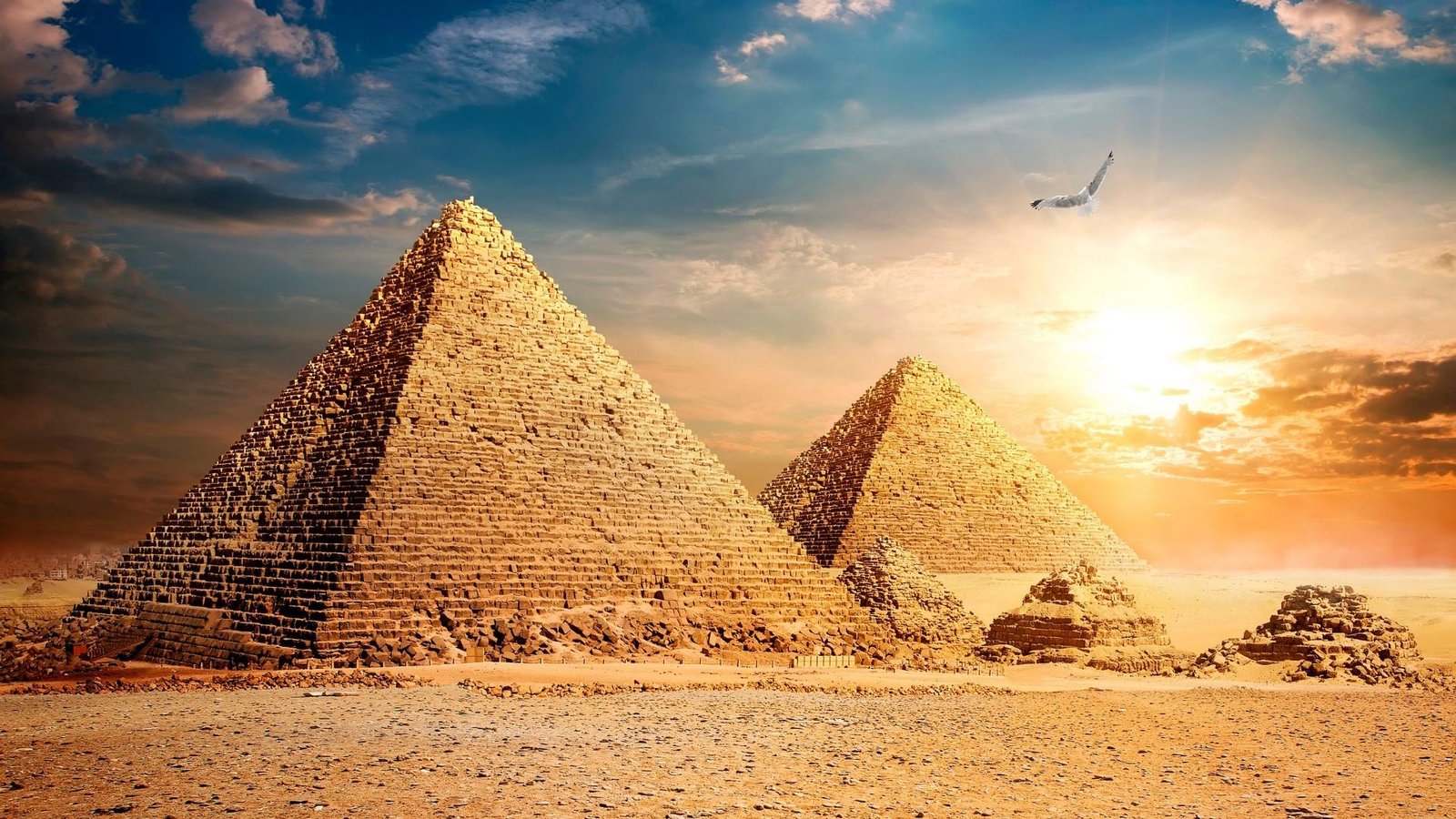
20 fascinating facts about the Pyramids of Giza, one of the most remarkable architectural feats of ancient Egypt. From the pyramids’ construction and historical significance to their unique features and mysteries, this article covers a range of interesting tidbits that will deepen your understanding and appreciation of these awe-inspiring structures. Whether you’re a history buff, an architecture enthusiast, or simply curious about the world, these facts are sure to intrigue you and leave you wanting to learn more about the wonders of ancient Egypt:
- The Pyramids of Giza are located on the outskirts of Cairo, Egypt and are among the oldest and most famous man-made structures in the world.
- The three main pyramids were built over a period of several decades during the 26th and 25th centuries BC, during the Old Kingdom period of ancient Egypt.
- The largest and most famous of the pyramids is the Great Pyramid of Khufu, which stands over 140 meters (460 feet) tall and covers an area of 13 acres.
- The Great Pyramid of Khufu was the tallest man-made structure in the world for over 3,800 years until the construction of the Lincoln Cathedral in England in 1311 AD.
- The pyramids were built as tombs for the pharaohs of Egypt and their consorts, and were meant to ensure the pharaoh’s safe passage into the afterlife.
- The construction of the pyramids was a massive undertaking that required the labor of thousands of workers over many years.
- The pyramids were originally covered in smooth white limestone, which has since been stripped away, leaving the rough outer layer of stone that we see today.
- The Great Pyramid of Khufu contains an estimated 2.3 million stone blocks, each weighing an average of 2.5 tons.
- The precise methods used to build the pyramids are still a matter of debate among archaeologists and historians, with various theories involving ramps, sledges, and cranes.
- The interior of the pyramids contains a maze of passages, chambers, and shafts, many of which were booby-trapped to prevent tomb robbers from stealing the pharaoh’s treasures.

- The pyramids were built by skilled craftsmen and architects who used sophisticated tools and mathematical principles to create the structures.
- The Great Sphinx of Giza, a large limestone statue with the head of a human and the body of a lion, is located near the pyramids and is believed to have been built around the same time.
- The pyramids have long fascinated people around the world and have been the subject of many myths and legends, including the idea that they were built by extraterrestrial beings.
- The pyramids are surrounded by a complex of temples, tombs, and other structures that give insight into the religious and social practices of ancient Egypt.
- The pyramids were looted and damaged by tomb robbers throughout the centuries, and many of their treasures were lost or destroyed.
- The pyramids have undergone many restoration and conservation efforts over the years, including the use of modern technology to study and preserve the structures.
- The pyramids were aligned with the stars, with the sides of the Great Pyramid facing true north, south, east, and west.
- The pyramids were not built by slaves, as is often believed, but by skilled craftsmen and laborers who were paid for their work.
- The pyramids were not always the color we see today, as the limestone blocks used to build them originally had a polished, reflective surface that would have made them shine in the sun.
- The pyramids have been the subject of many expeditions and explorations over the centuries, with the first known scientific study of the structures taking place in the 18th century.