
Top 20 Facts About the Great Wall of China
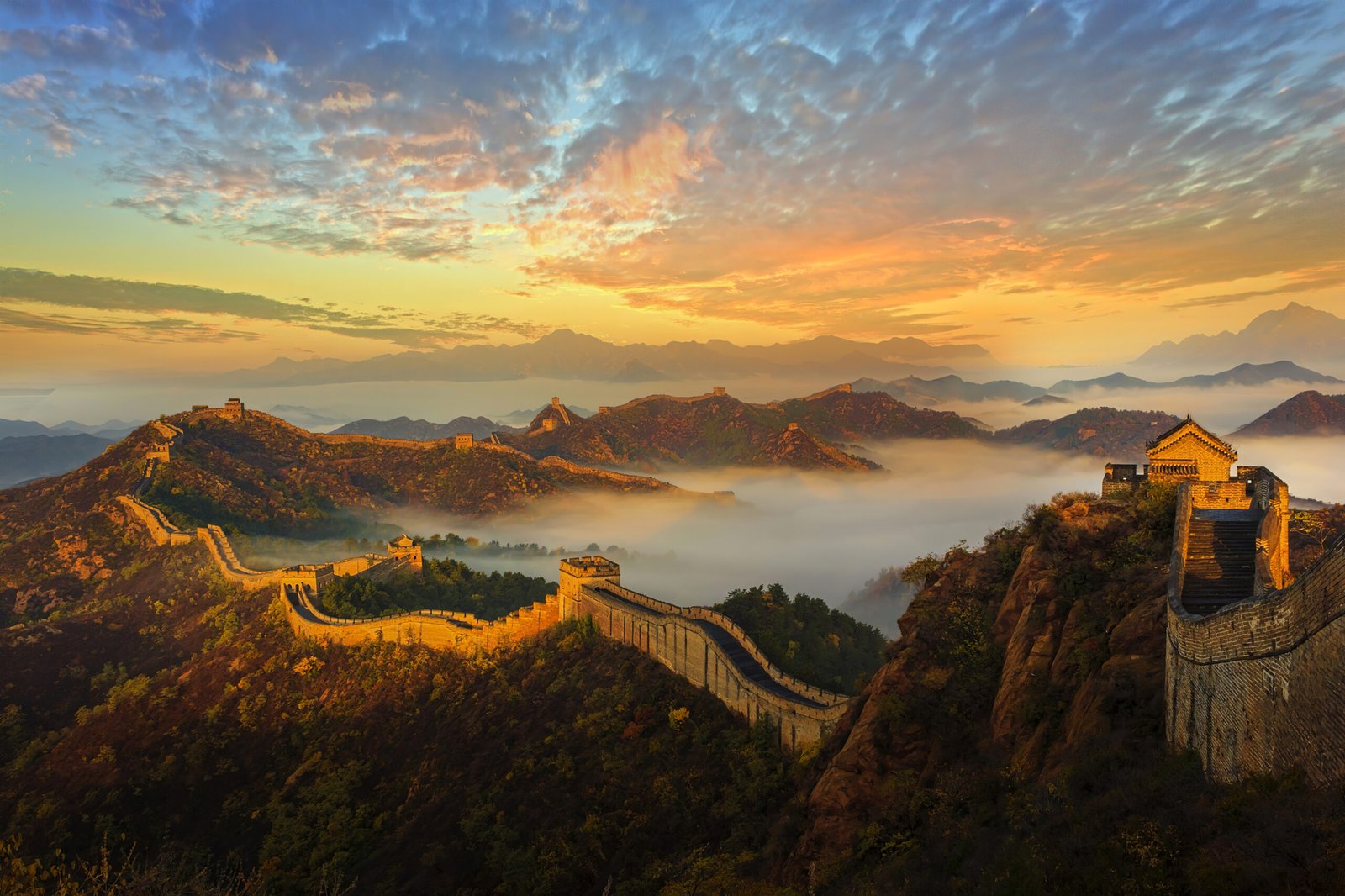
20 fascinating facts about the Great Wall of China, one of the most iconic landmarks in the world. From the wall’s construction and historical significance to its unique features and cultural impact, this article covers a range of interesting tidbits that will deepen your understanding and appreciation of this awe-inspiring monument. Whether you’re a history buff, a travel enthusiast, or simply curious about the world, these facts are sure to pique your interest and leave you wanting to learn more about this wonder of the world:
- The Great Wall is not a single continuous wall, but rather a series of fortifications built over many centuries by different Chinese dynasties.
- The total length of the Great Wall is estimated to be over 13,000 miles (21,000 km), making it the longest wall in the world.
- The wall was built using a variety of materials, including brick, tamped earth, stone, and wood.
- The construction of the Great Wall began over 2,000 years ago, during the Qin dynasty, and continued throughout many other dynasties.
- The Great Wall was not only built for defense, but also for border control, trade regulation, and as a symbol of the power of the Chinese empire.
- The most famous sections of the Great Wall, such as Badaling and Mutianyu, are located near Beijing and are popular tourist attractions.
- The Great Wall was listed as a UNESCO World Heritage Site in 1987.
- Despite its name, the Great Wall was not visible from space until the 20th century, when astronauts began using cameras with a wider field of view.
- The Great Wall was guarded by soldiers and watchtowers and was used as a signal station for communicating over long distances.
- Over the centuries, the Great Wall has been damaged by weather, earthquakes, and human activity, and many sections have fallen into disrepair or been dismantled for building materials.

- The Great Wall was not just a physical barrier, but also a psychological one. Its imposing presence was meant to intimidate potential invaders and discourage them from attacking.
- The wall was not completely effective in keeping out invaders, and there were many instances of enemies finding ways to breach or bypass it.
- The wall was not a continuous structure, but was instead made up of many smaller walls, fortresses, and watchtowers, with gaps between them.
- It is estimated that over 1 million people died during the construction of the Great Wall, including soldiers, peasants, and prisoners of war.
- The Great Wall was not always a popular project among the Chinese people, and many resented the high taxes and forced labor that were used to build it.
- The wall was not only a physical barrier, but also served as a means of communication, with signal fires and smoke used to relay messages across long distances.
- The Great Wall is home to a wide variety of flora and fauna, including many rare and endangered species.
- The Great Wall was not just built on land, but also in the water. In some areas, the wall extended into the sea and was used as a defense against naval attacks.
- The Great Wall is not just a tourist attraction, but also an important cultural and historical site for the Chinese people, who see it as a symbol of their nation’s resilience and determination.
- The Great Wall has inspired many myths and legends over the centuries, including stories of dragons and other mythical creatures who helped to build and protect the wall.