Top 20 Facts about The Taj Mahal
Uncover the enchanting secrets of one of the world’s most iconic architectural marvels with our comprehensive list of the top 20 facts about the Taj Mahal. From its mesmerizing beauty to its rich historical significance, this post is your gateway to exploring the wonders of this timeless masterpiece. Join us as we unravel the mysteries behind its construction, delve into its romantic origins, and unveil lesser-known anecdotes that will leave you captivated. From intricate craftsmanship to fascinating architectural details, each fact brings you closer to understanding the true allure of the Taj Mahal. Whether you’re a history enthusiast, a travel aficionado, or simply curious about the world’s wonders, let’s embark on a remarkable journey through the top 20 facts that make the Taj Mahal an eternal symbol of love, beauty, and human ingenuity.
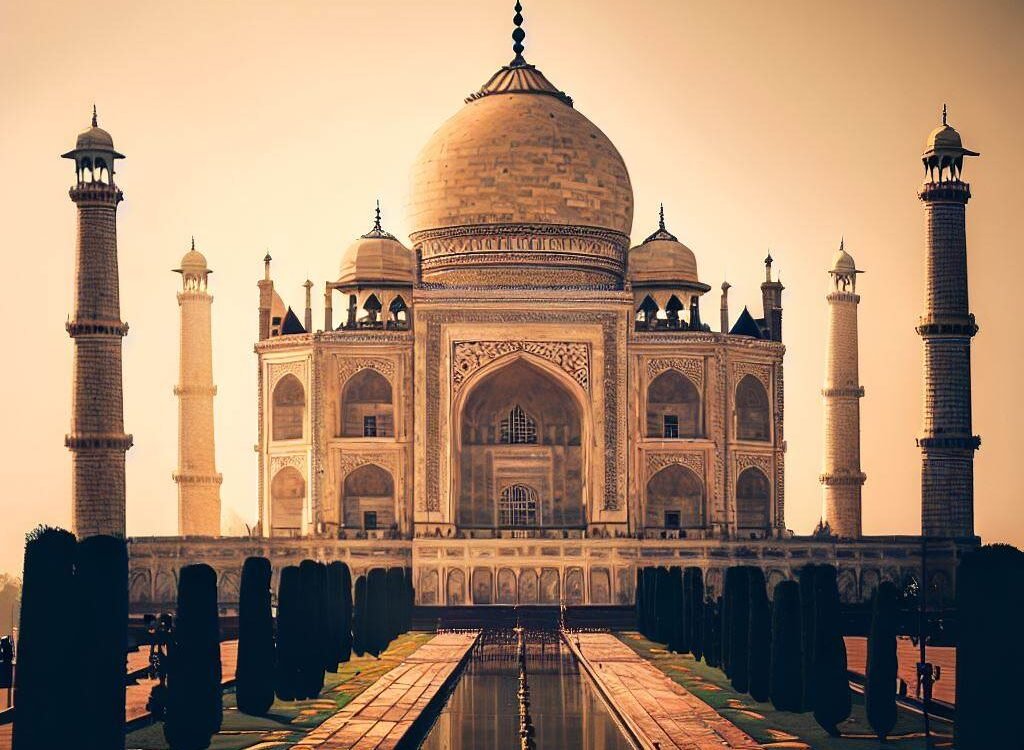
- The Taj Mahal is located in Agra, Uttar Pradesh, India and is considered one of the most beautiful architectural masterpieces in the world.
- It was commissioned by Mughal Emperor Shah Jahan in memory of his beloved wife, Mumtaz Mahal, who passed away in 1631.
- Construction of the Taj Mahal began in 1632 and took approximately 20 years to complete, with thousands of artisans and craftsmen involved in its creation.
- The Taj Mahal is considered one of the New Seven Wonders of the World. In 2007, it was included in the list of the modern wonders after a global poll conducted by the New7Wonders Foundation. The recognition further solidifies its status as an iconic and awe-inspiring monument.
- The Taj Mahal is built entirely of white marble, which was sourced from different regions of India and even from other countries, such as Sri Lanka and China.
- The architectural style of the Taj Mahal is a blend of Islamic, Persian, and Indian influences, reflecting the rich cultural heritage of the Mughal Empire.
- The complex of the Taj Mahal encompasses a vast area of about 42 acres, including the main mausoleum, gardens, gateways, and other structures.
- The main dome of the Taj Mahal stands at a height of approximately 73 meters (240 feet) and is adorned with a finial, which is made of a gold-gilded bronze.
- The four minarets surrounding the main dome are slightly tilted outward. This architectural technique was employed to prevent them from falling on the main mausoleum in case of an earthquake.
- The Taj Mahal is renowned for its intricate and exquisite decorative work, including inlay work of precious and semi-precious stones, calligraphy, and floral patterns.

- The interior of the Taj Mahal features detailed carvings, verses from the Quran, and beautiful marble screens known as jali, which add to the grandeur of the monument.
- The Taj Mahal’s reflection can be seen in the large pool, known as the “water mirror,” located in front of the mausoleum. It adds a captivating visual effect.
- The Taj Mahal is not only a mausoleum but also a complex housing several other structures, including a mosque, guesthouse, and a beautiful garden called the Charbagh.
- The Taj Mahal’s garden is divided into four quadrants, symbolizing the four rivers of paradise mentioned in Islamic texts.
- The Taj Mahal changes its color throughout the day, appearing pinkish in the morning, milky white during the day, and golden in the moonlight.
- The Taj Mahal has survived several natural disasters, including earthquakes and floods, as well as human-made threats over the centuries.
- In 1983, the Taj Mahal was recognized as a UNESCO World Heritage Site for its outstanding cultural and architectural significance.
- The Taj Mahal attracts millions of visitors from around the world every year, making it one of the most popular tourist destinations in India.
- The Taj Mahal has been featured in numerous films, literature, and artworks, becoming a symbol of love and romance.
- In recent years, efforts have been made to preserve the Taj Mahal’s beauty and protect it from pollution. Measures such as restricting vehicle traffic and limiting industrial activities have been implemented.