20 Captivating Facts About the Greenland Shark
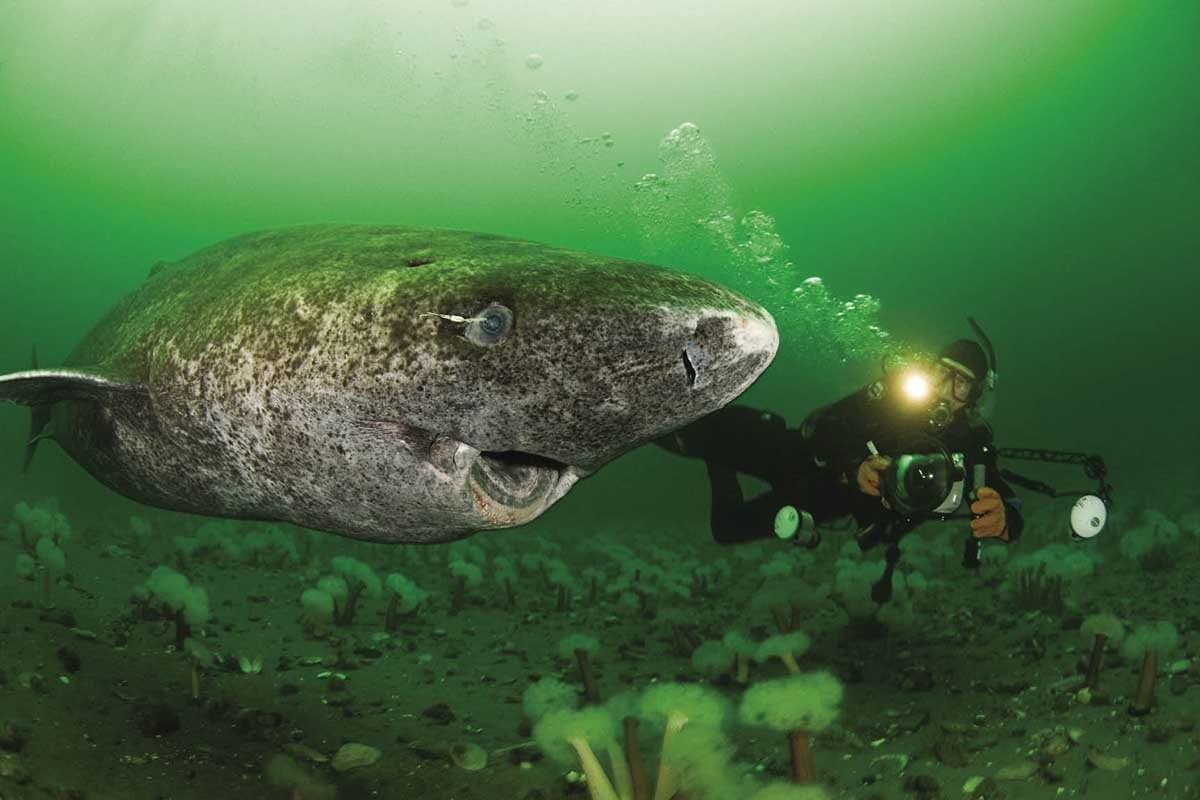
Dive into the mysterious depths of the Arctic waters as we embark on an extraordinary journey to uncover the enigmatic world of the Greenland shark. With its ancient lineage, astonishing adaptations, and elusive nature, the Greenland shark has captured the fascination of scientists and nature enthusiasts alike. Join us as we delve into the depths of knowledge and unveil the top 20 captivating facts that shed light on this intriguing creature.
- Ancient Survivors: The Greenland shark holds the title for being one of the oldest living vertebrates on Earth, with some individuals estimated to live for over 400 years.
- Arctic Dwellers: These majestic creatures are predominantly found in the icy Arctic and sub-Arctic waters, making them uniquely adapted to survive in extreme cold temperatures.
- Size Matters: Greenland sharks can grow to impressive lengths, with the largest recorded individual measuring up to 24 feet (7.3 meters) long.
- Slow and Steady: Known for their leisurely pace, Greenland sharks are among the slowest swimming sharks, with an average cruising speed of around 0.7 miles per hour (1.1 kilometers per hour).
- Cold Waters, Slow Metabolism: To thrive in their icy habitat, Greenland sharks have an exceptionally slow metabolic rate, allowing them to survive in environments with limited food resources.
- Deep-Dwelling Giants: These remarkable creatures are known for their deep-sea exploration, with individuals frequently diving to depths exceeding 2,000 feet (600 meters).
- An Unusual Diet: Greenland sharks are opportunistic feeders, consuming a wide range of prey, including fish, seals, squids, and even polar bears. They have also been found to scavenge on carcasses and garbage.
- Mighty Jaws: With rows of sharp, backward-facing teeth, Greenland sharks are formidable predators, capable of delivering powerful bites to immobilize their prey.
- Toxic Delicacy: The flesh of Greenland sharks contains high levels of trimethylamine oxide (TMAO), making it toxic and inedible for human consumption. Traditional Inuit communities have devised special methods to prepare and consume this shark safely.
- Extreme Adaptations: Greenland sharks possess unique physiological adaptations, including a large liver filled with low-density oils that aid buoyancy in the deep sea.

- Mysterious Mating: Little is known about the reproductive habits of Greenland sharks, but it is believed that they have a slow reproductive rate, with females reaching sexual maturity at around 150 years old.
- Elusive Sightings: Due to their remote habitat and deep-diving nature, Greenland sharks are rarely encountered by humans, making them a true enigma of the underwater world.
- Cold-Tolerant Physiology: Greenland sharks have specialized proteins in their blood that act as antifreeze agents, enabling them to survive in freezing waters.
- Exploring the Eye: The unique structure of the Greenland shark’s eye, with its elongated and slender shape, suggests adaptations for capturing dim light in the depths of the ocean.
- A Colorful Mystery: The Greenland shark’s skin exhibits shades of gray, black, and dark green, providing camouflage in the deep-sea environment.
- Longevity in Lenses: Studies have shown that the lenses of Greenland sharks’ eyes may hold valuable information about the past, acting as a potential tool for estimating the age of these ancient creatures.
- Ancient Mythology: In Inuit folklore, the Greenland shark, known as “eqalussuaq,” holds cultural significance and is revered as a symbol of power and strength.
- Unraveling Genetic Secrets: Recent genetic research has shed light on the genetic diversity and evolutionary history of Greenland sharks, revealing their unique place in the animal kingdom.
- Guardians of Ecosystems: As apex predators, Greenland sharks play a vital role in maintaining balance and stability within the Arctic marine ecosystems.
- Conservation Concerns: The Greenland shark faces various threats, including climate change, pollution, and accidental bycatch, highlighting the need for conservation efforts to protect these incredible creatures and their fragile habitats.
The Greenland shark stands as a testament to the resilience and adaptability of life in our vast oceans. Its ancient lineage, remarkable adaptations, and mysterious behaviors continue to fascinate scientists and ignite our curiosity. As we uncover the top 20 captivating facts about these majestic creatures, let us embrace the responsibility to safeguard their fragile existence and ensure their place in the intricate tapestry of our planet’s biodiversity.

Together, let us celebrate the marvels of nature and strive to unravel the secrets hidden within the icy depths, forever cherishing the extraordinary world of the Greenland shark.