The 17-Letter Mutation That Robbed Snakes of Their Legs
Have you guys ever wondered why modern snakes lack limbs, even though all other members of their class, Reptilia, are limbed animals like lizards, crocodiles, salamanders, etc. This was a wonder for many biologists and scientists too. Over the years, there has been a lot of speculation that the snake has lost its limbs, based on Lamarckism, i.e., evolution driven by the use and disuse of organs or other parts of the body over generations.
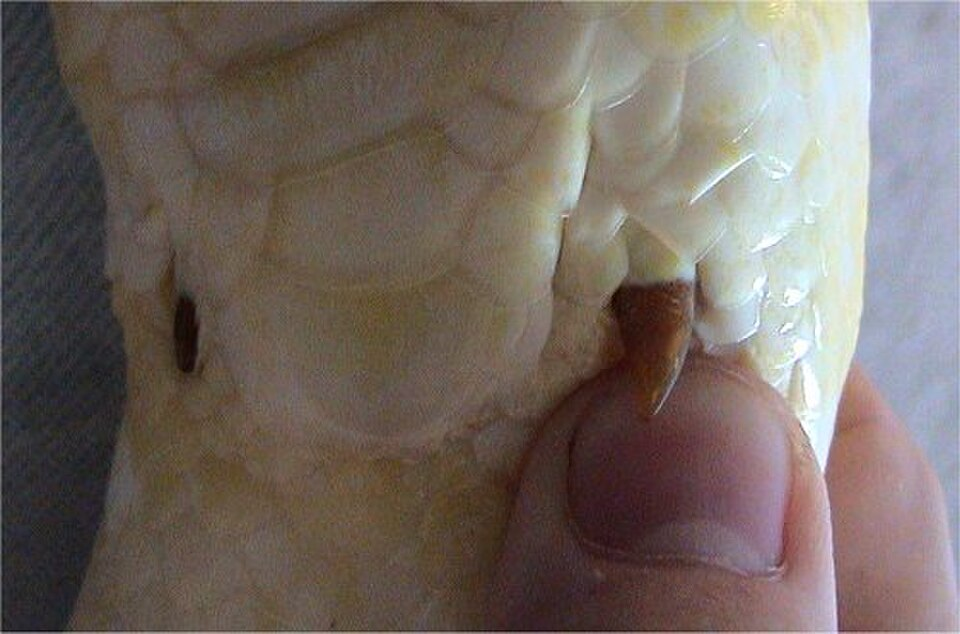
In vitro, a study conducted in October 2016 by a team of scientists, as part of their research, proved that it was not merely a Lamarckian theory but rather a deeper one tied to the basic genetic code. There is a certain protein called SHH- Sonic Hedgehog Protein (yep, named after the video game character Sonic the Hedgehog itself) that acts as a key chemical signal during animal embryo growth. The more this protein is present in a given area, the more complex the growth. This protein was found to be present in nearly equal amounts across all reptiles, except in snakes, in in vitro tests. When they studied further, they found that a limb-specific enhancer gene called ZRS is active in regions where its activity is critical for normal limb development in mice. They also understood that single-nucleotide mutations within the ZRS enhancer cause limb malformations such as Preaxial Polydactyly (a congenital limb condition in which a person is born with one or more extra digits on the anterior side). They found that in basal snakes, which retain vestigial limbs, such as the python, the code is highly conserved. In contrast, in advanced snakes, the code underwent a rapid increase in substitution rates, with all skeletal limb structures having disappeared.
To see if this degraded genetic switch was truly responsible for the loss of legs, the researchers used CRISPR/Cas9 to swap the native ZRS enhancer in mice with the corresponding versions from other species:
- Humans and Coelacanths: When mice were given the ZRS sequence from humans or coelacanths (a lobe-finned fish whose lineage split off 400 million years ago), they grew completely normal, fully formed limbs.
- Cobras and Pythons: Replacing the mouse enhancer with the cobra sequence caused severe limb truncation—the mice developed completely limbless, identical to removing the enhancer entirely. The python sequence produced a slightly milder result, leaving only a tiny limb stub and 2–3 rudimentary digits.
The real breakthrough came when scientists pinpointed a specific 17-base-pair deletion in the snake ZRS sequence that is otherwise conserved across all limbed vertebrates and fish. This microdeletion erased a vital binding site for the ETS1 transcription factor, effectively removing the enhancer’s ability to switch on limb development.
In a fascinating experiment, the team synthetically restored those missing 17 base pairsthe missing 17 base pairs toIn a fascinating experiment, the team synthetically restored those missing 17 base pairs back into the python ZRS sequence. When they inserted this engineered “resurrected” enhancer into mice, it completely restored normal limb development.
Ultimately, these findings prove that snake limblessness wasn’t driven by simple physical disuse but by the progressive genetic decay of regulatory switches such as ZRS. While basal snakes like pythons still hold onto remnants of this code alongside their vestigial spur limbs, advanced snakes underwent rapid sequence decay that permanently shut down the developmental blueprint for legs.