
The Enchanting Myth of Hermaphroditus
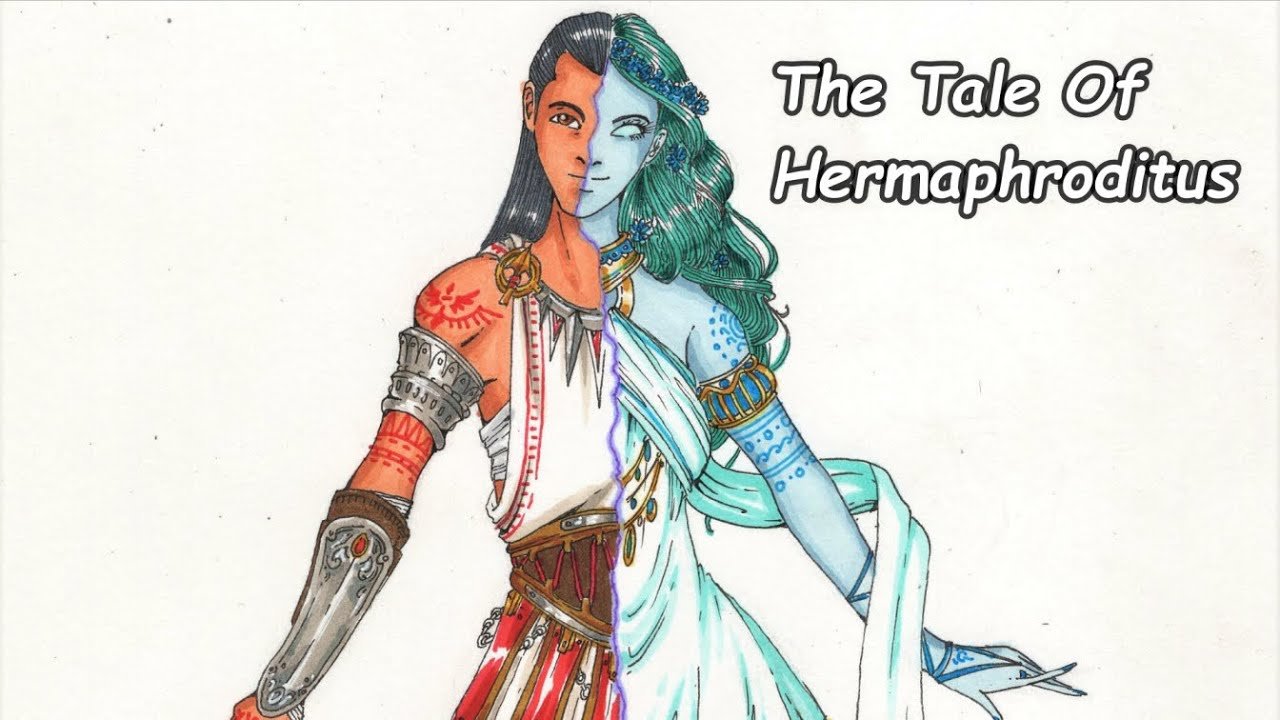
Introduction:
In the realm of Greek mythology, where gods and mortals intertwined, the story of Hermaphroditus stands as a captivating tale of transformation and desire. Born to Hermes, the messenger of the gods, and Aphrodite, the goddess of love and beauty, Hermaphroditus was a figure of exquisite beauty, embodying the essence of both genders.
The Story:
From a young age, Hermaphroditus was the object of desire and admiration, his allure drawing the attention of nymphs and deities alike. As he grew into adulthood, his parents bestowed upon him the gift of traveling the world, seeking knowledge and experiencing the wonders of the ancient lands.
It was during his journeys that Hermaphroditus encountered the nymph Salmacis, who dwelled in the depths of a crystal-clear pool near the city of Halicarnassus. Salmacis, enraptured by the youth’s beauty, felt an insatiable longing to possess him. As Hermaphroditus bathed in the tranquil waters, Salmacis emerged from her watery abode, embracing him with fervent desire.
Hermaphroditus, alarmed by the nymph’s advances, struggled to break free from her grasp. But Salmacis, fueled by her passionate yearning, clung to him with unwavering determination, uttering a prayer to the gods that their bodies might be forever entwined.
In a moment of divine intervention, the deities heard Salmacis’s plea, and the two beings merged into a single form – a being that possessed the attributes of both genders, forever united in an inseparable embrace.
From that day forward, Hermaphroditus roamed the lands, a living embodiment of the union between masculine and feminine. His dual nature became a symbol of the fluidity of desire and the transcendence of rigid boundaries.

Conclusion:
The myth of Hermaphroditus has captivated audiences throughout the ages, its themes resonating with the complexities of human identity and the exploration of love and desire. It challenges societal norms and invites us to embrace the fluidity of gender, reminding us that true beauty lies not in conformity but in the celebration of our unique selves.
This enchanting tale has inspired countless artistic interpretations, from sculptures and paintings to literary works and philosophical musings. It serves as a reminder that mythological narratives are not mere fables but profound explorations of the human condition, inviting us to embrace the rich tapestry of our existence.