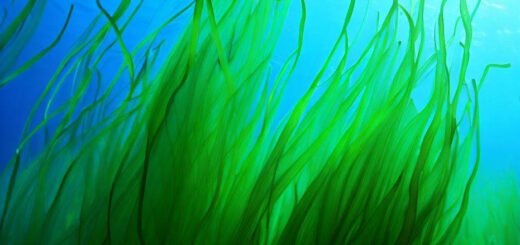
The longest living organism on Earth is a type of seagrass called Posidonia oceanica
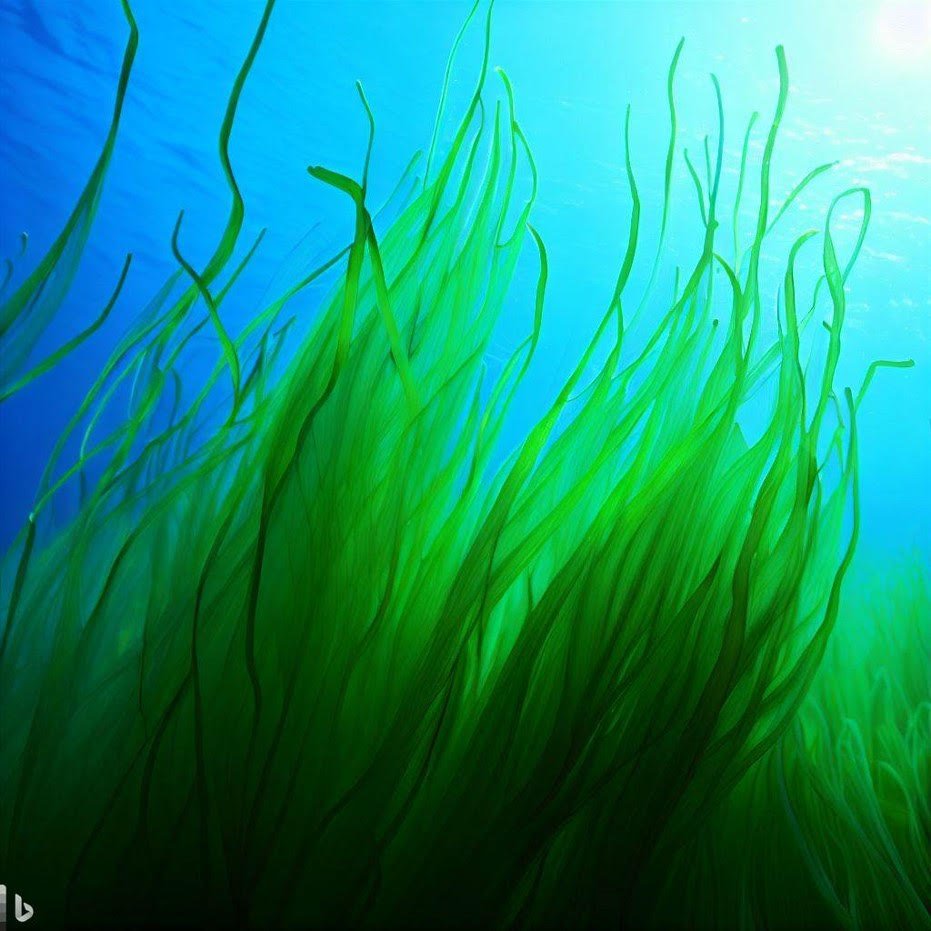
The longest living organism on Earth is a type of seagrass called Posidonia oceanica, which has been estimated to be over 100,000 years old
This seagrass is found in the Mediterranean Sea, where it grows in underwater meadows that provide important habitats for a wide range of marine species. Despite being exposed to various environmental pressures, such as pollution and climate change, Posidonia oceanica has managed to survive for so long due to its unique ability to clone itself, which enables it to regenerate and continue growing. The study of Posidonia oceanica is crucial for understanding the long-term impacts of human activities on marine ecosystems and for developing effective conservation strategies.